
What You Can Learn About Marketing from The Green Bay Packers (Other Than Winning)
"They really do give back to the community."
My aunt, Dee, a die-hard Packers fan (so much so she can't watch the game — she has to listen to it while cleaning the house) says this often. And then she tells me all of the ways the team gets involved in the community.
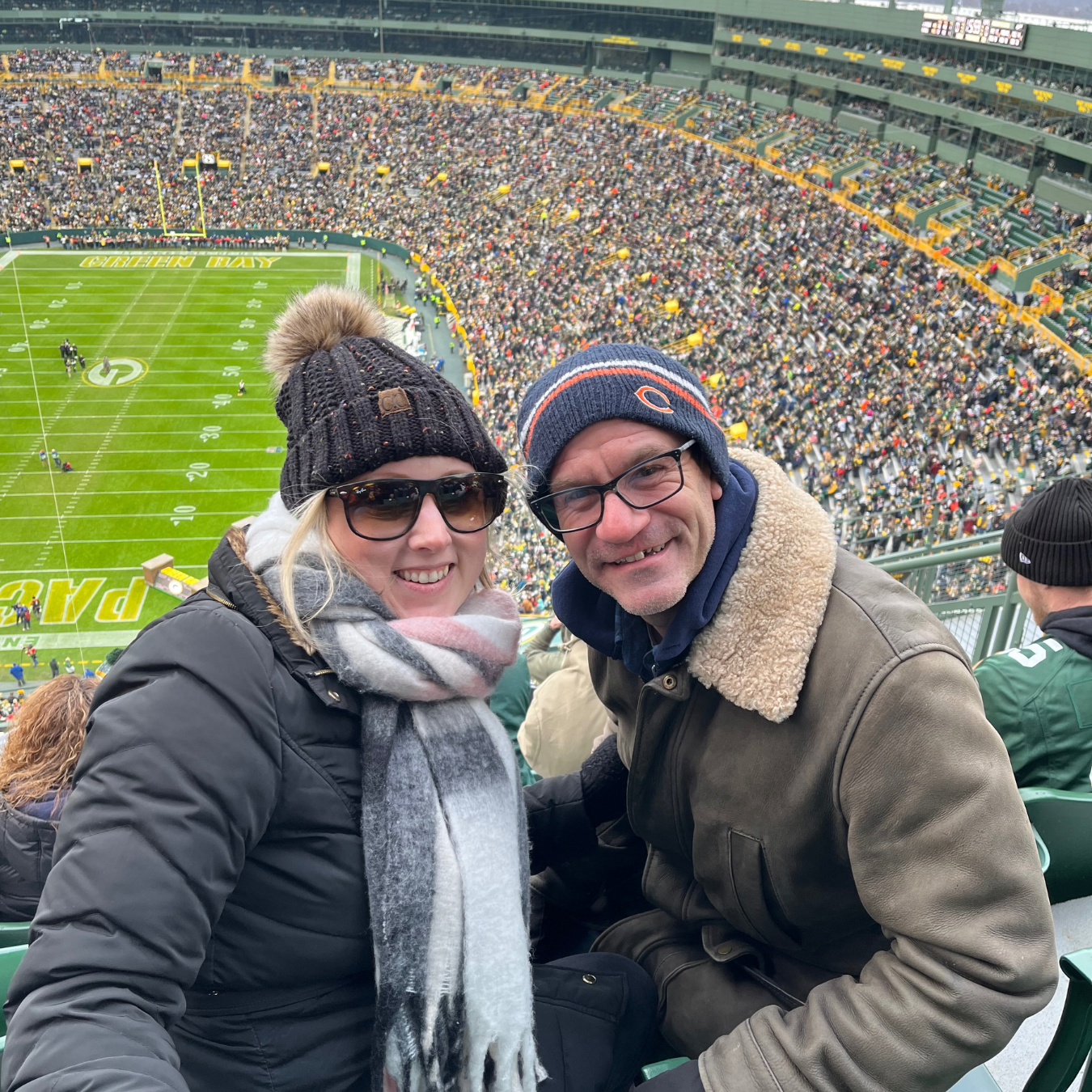
I’m not a football fan, but after nearly 40 years of visiting Green Bay — basically my entire life — I often joke that I’m an honorary Green Bay resident. Last year, I went to my first Bears vs. Packers game at Lambeau Field.
After experiencing the fan devotion up close, I realized that arts organizations can learn a lot about marketing and audience development from the Packers. So, I asked my aunt to break down exactly why people love them — besides winning.
The Business Model with Community at the Center
There are a couple of unique factors that set up the Packers and Green Bay residents for a special relationship.
Yes, it's a billion-dollar team, but there is no billionaire owner.
The club was formed in 1919 and almost shut down by 1923. Rather than folding, the owners organized the Green Bay Football Corporation and let fans become shareholders.
Today, the Packers are the only publicly owned, nonprofit team in the NFL, owned by 538,000 stockholders.
No single person can own more than 200,000 shares, which is about 4% of the total outstanding shares.
While shareholders have voting rights, shares do not pay dividends and don't have any financial value.
All profits must be re-invested back into the team or the community.
This means that, unlike many pro sports teams, the Packers make their community and fans a part of the team, and do not chase profits at all costs.
You could make the case that their goals and agenda are more aligned with nonprofit arts organizations.
Then, there's Green Bay itself. With only 105,744 residents, it's the smallest city with an NFL team, making the Packers a major player.
Finally, Lambeau Field sits in the middle of a middle-class neighborhood, where fans park on people’s lawns for a small fee. It feels more like a college football town than a corporate NFL machine.
What Arts Organizations Can Learn From the Packers
Now that you know about the Packers' unique model, here's how arts organizations can use their fan (or audience)-building strategies.
Fan Experience
Titletown
The Packers turned Lambeau Field into a year-round destination by building Titletown right next door, turning game day into a memorable all-day experience.
Even on non-game days, people can visit and participate in ice skating, sledding, concerts, and even yoga for little to no cost, giving the community a place to gather and have fun.
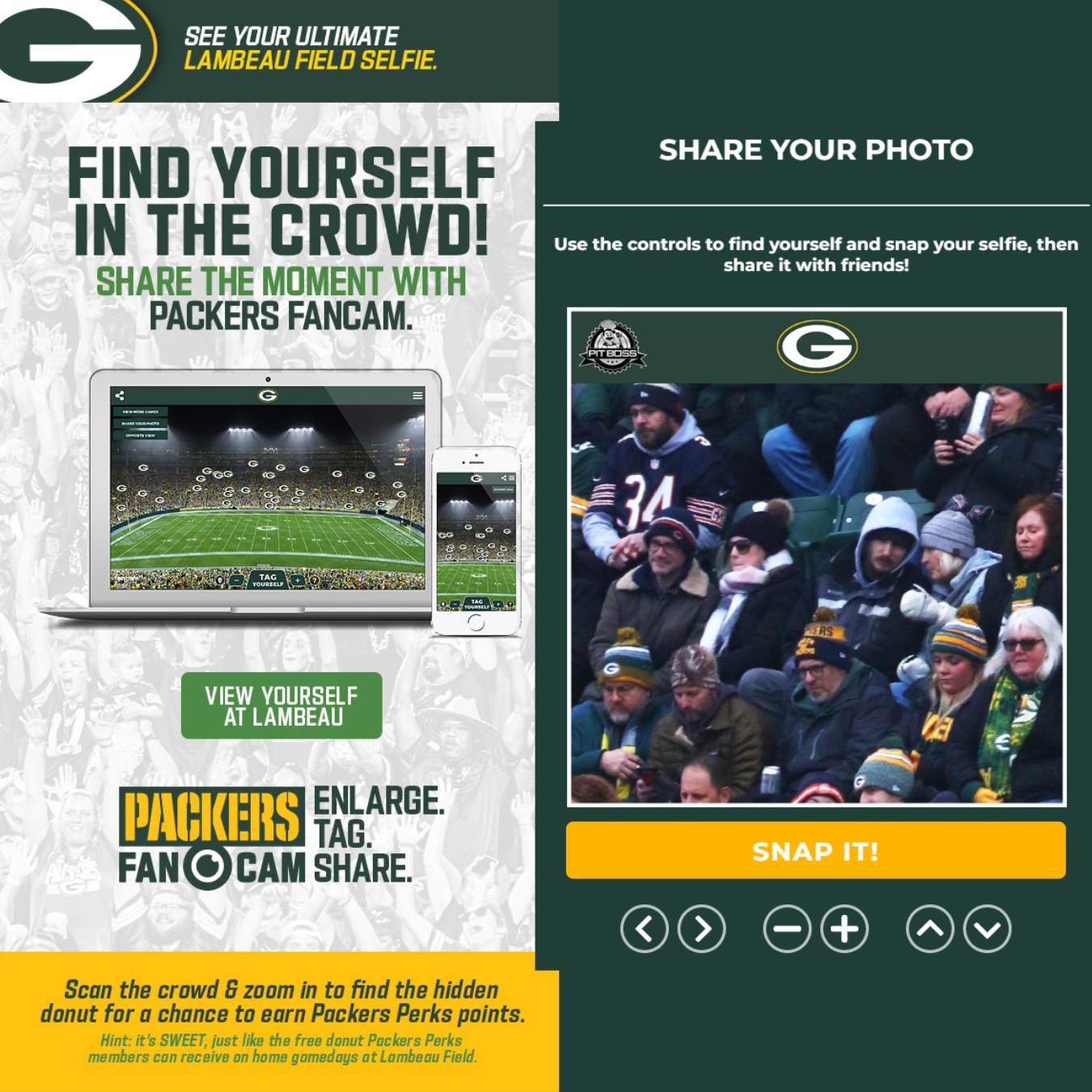
Packers Fan Cam — Find Yourself in the Crowd
After each game, the Packers send a post-game email with a link to their Fan Cam, allowing attendees to find themselves in the crowd and share on social media.
Traditions That Build Community
The Packers' Training Camp Bike Ride
Every summer, kids line up with their bikes, eagerly waiting for players to ride them from Lambeau Field to the practice field. This has been happening for decades and some of the players, kids, and their families have formed real relationships, staying in touch throughout the season.
Tailgate Tour — Fans Statewide
The Packers' annual Tailgate Tour is a cherished tradition where current and former players travel across Wisconsin to connect with fans. This initiative allows the team to engage with supporters beyond Green Bay, fostering a sense of statewide community.
Player-Led Community Involvement Players are Active Members in the Community
Players actively participate in community service. For example, offensive tackle Rasheed Walker has offered a free football camp to anyone at his alma mater, North Point High School, for the past two summers.
This past spring, he also participated in the Packers Tailgate Tour, traveling throughout Wisconsin to visit fans and raise money for local organizations.
Walker has also taken the time to visit elementary schools to speak with children, visit military bases to talk with troops, and help provide meals to underserved families, among other endeavors.
The “Lambeau Leap” and Fan Culture
A classic Packers tradition is the “Lambeau Leap,” which lets fans physically be a part of the game because the players jump into the arms of fans after scoring a touchdown.
Stay Visible All Year Long
Even in the off-season, the Packers keep the community engaged. Their Give Big Green Bay initiative raises funds for local nonprofits, and their CEO appears in commercials supporting local universities.
Their investment in the Titletown District — a development around Lambeau Field — ensures there’s always something happening, even when football isn’t in season.
The Short of It
Win or lose, Cheeseheads love their Green Bay Packers because the team made them part of something bigger than a game. Fans are shareholders. Game day is a full-day experience. Players show up in the community year-round. By fostering ownership, creating traditions, and staying visible between seasons, you can turn casual ticket buyers into the kind of fans who can't imagine a season without you.
FAQs
-
Professional sports teams — especially community-rooted ones like the Green Bay Packers — build loyalty by making fans feel like they belong to something, not just that they're buying a ticket. The most transferable lessons for arts organizations are year-round visibility, recurring traditions that deepen over time, and giving audiences a way to participate beyond passive attendance.
-
Loyalty is built through repeated positive experiences, a sense of belonging, and visible investment in the community. The Packers do this through shareholder ownership, player community involvement, and year-round programming at Titletown. Arts organizations can apply the same thinking through subscriber recognition programs, pre- and post-show rituals, and off-season community engagement that keeps the relationship alive between productions.
-
Community-based audience development means building relationships with your audience outside the transactional moment of ticket purchase. It includes things like free or low-cost community events, partnerships with local organizations, visible staff and artist presence in the community, and programming designed to bring people together around a shared identity — not just a shared show.
-
The Packers' off-season strategy — Titletown, the Tailgate Tour, community service initiatives — keeps them present in Green Bay residents' lives year-round. Arts organizations can apply the same principle through summer programming, behind-the-scenes content, community partnerships, and email newsletters that deliver value between productions rather than only activating when tickets go on sale.
