
The Arts Marketer's Guide to Pre-Suasion: The IKEA Effect
🖼️ Picture It: Opening Week, Your Local Theater.
You've spent hours writing and directing a play with your favorite theater friends.
You and your friends are convinced it's the next Hamilton.
Sure, there are 1-2 plot holes, and the dialogue doesn't make sense in a few places. You also had to make do with a budget that didn't allow for a captivating set.
But you know that your brilliance will shine through.
You put tickets on sale and...crickets. 🦗
As opening night approaches, you can't even give tickets away and you feel baffled as you stare at dismal ticket sales reports.
Why don't they see the value?
This is called The IKEA Effect — a psychological phenomenon that explains why we overvalue things we've created ourselves.
While the above scenario might make you think, "ouch," The IKEA Effect can help you build stronger emotional connections and pre-suade your audience to say "yes" before your campaign begins.
This means you and your team can look forward to packed houses, more subscribers and donors, lively social media engagement, and word-of-mouth marketing (the best type of marketing).
First, Pre-Suasion Defined
-
DescriptionPre-Suasion is a set of strategies introduced by social psychologist Robert Cialdini in his book Pre-Suasion: A Revolutionary Way to Influence and Persuade.
When combined, the strategies set the stage for getting your audience in the right frame of mind before your marketing campaign or you ask people to commit. It helps people excited about saying "yes" to you. text goes here
-
Pre-Suasion involves subtle cues, timing, and intentional framing to shift attention and mindset to make people more receptive. This happens before the actual act of persuasion (ex. launching your season or asking someone to buy a subscription).
You're likely already using these strategies like hosting season preview events, giving early bird gifts, and more, but if you introduce a few more small strategies and tweak the timing or messaging, you could pre-suade more ticket buyers into becoming enthusiastic fans.
Let's Get Into It — Arts Marketing & The IKEA Effect
The IKEA Effect is a cognitive bias where people value products they created, even if the quality isn't great or other people make similar creations.
In a Harvard Business School study, researchers asked participants to assemble IKEA boxes, fold origami, or build Lego sets.
Across all activities, the participants who built the items themselves valued their creations significantly more than those who evaluated ready-made versions.
It’s why assembling wobbly IKEA furniture makes you want to hold onto it for years and that soft spot you feel for that amateur-looking picture you painted with your friends at a paint-and-sip class.
For arts organizations, involving your audience in creating or contributing can build deeper emotional connections and increase engagement.
How to Apply This to Your Arts Organization
#1 Turn Pre- and Post-Show Events into Creation Opportunities
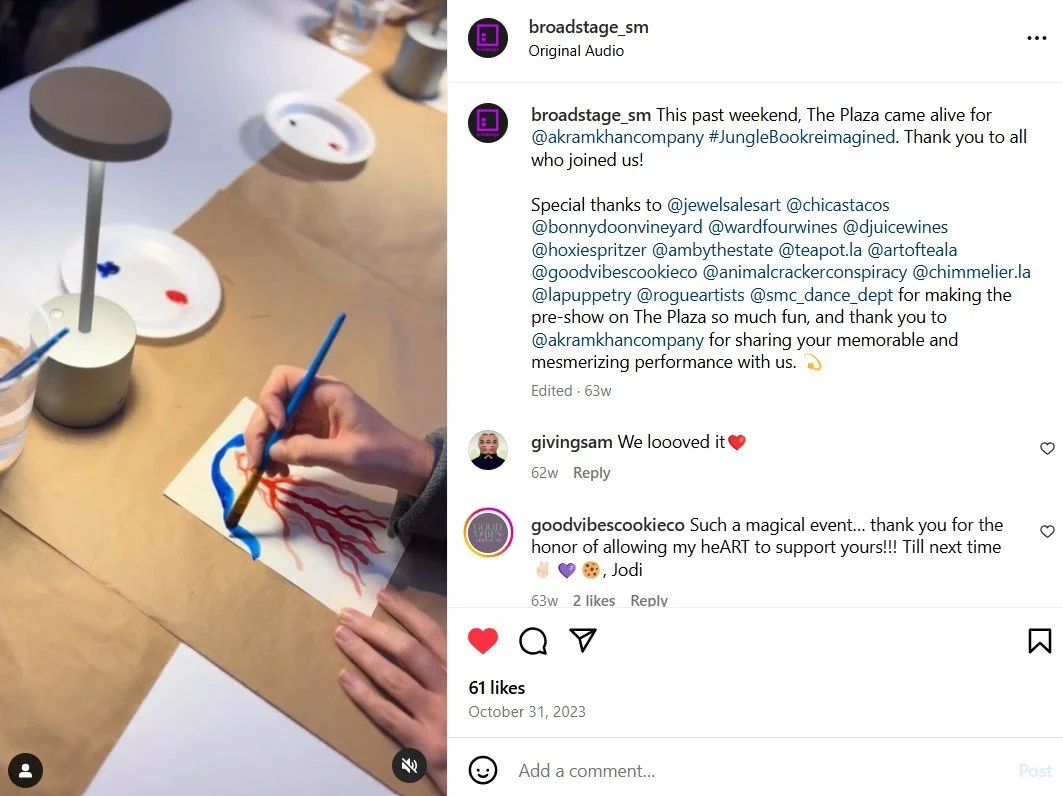
Example: BroadStage's Pre-Show Plaza Activation
BroadStage worked with local artists and businesses to activate their outdoor plaza before the production of The Jungle Book. The event included a wine tasting, stilt walkers, live music, and a painting class.
If you're strapped for time, something simple, like offering adult coloring sheets or a community mural, can activate the IKEA Effect and make your audience feel more connected to your show and organization.
#2 Build an Audience Advisory Board
Example: The Auditorium Theatre’s “Too Hot to Handel” Ambassadors
For their annual Too Hot to Handel: The Jazz-Gospel Messiah, the Auditorium Theatre relies on volunteers who advise staff on promotion and bring friends and family to the show.
Some Ambassadors have become subscribers, donors, and even board members.
By involving community members in shaping the experience, you make them part of the show.
#3 Make Your Community A Part of the Show
Example: The Nutcracker & Too Hot to Handel Choir
Ever wonder why The Nutcracker often sells out? It’s not only because it's a holiday tradition — many productions include student dancers in the cast. Grandma will buy tickets to see her grandchild perform in an iconic holiday show, and the families will talk about the experience for years.
Your community is also full of talented people who want to participate. The Auditorium Theatre also taps into this with their Too Hot volunteer choir, whose members have been part of the production for years. Not only do they help create the magic on stage, but they also share their excitement on social media, spreading the word far and wide.
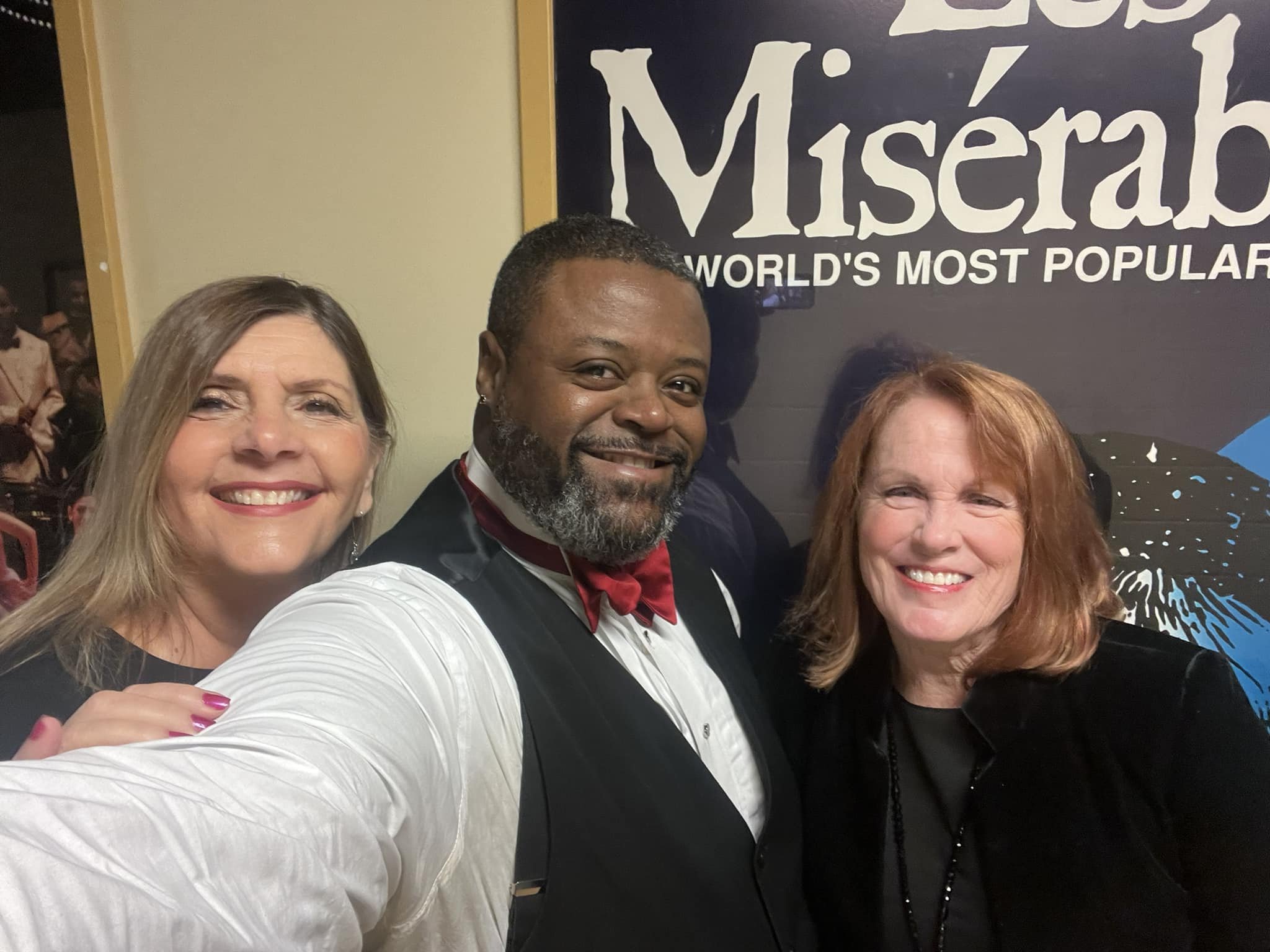
Photos courtesy of Sean Mallory (Too Hot Ambassador and Choir member) and the Auditorium Theatre.
What to Know About Activating The IKEA Effect
If you're thinking about activating The IKEA Effect at your organization. Here are a couple of caveats you need to know.
Completing the Task Matters
The study showed The IKEA Effect only applies when people complete the task. If a project is too challenging or left unfinished, participants didn’t value it as much.
Don't Make 'Em Work Too Hard
Whatever you have people create, it should be fairly easy. Unless people are insiders who want to improve (think intermediate-level dancers in a master class). You don't want to ask people to paint something too complicated or teach them complex dance steps. You risk re-enforcing the stereotype that arts and culture are elitist.
The Short of It
People value what they help create.
By finding ways to involve your audience — whether through creative activities, advisory roles, or direct participation — you can deepen their connection to your organization.
Because when people feel like they’ve made a significant contribution or investment, they become your loyal supporters.
Sources
Cialdini, Robert B. Pre-Suasion: A Revolutionary Way to Influence and Persuade. New York: Simon & Schuster, 2016.
Norton, Michael I., Daniel Mochon, and Dan Ariely. "The IKEA Effect: When Labor Leads to Love." Journal of Consumer Psychology, vol. 22, no. 3, 2012, pp. 453–460.
