Roundtable Notes: How to Turn Trends into Ticket Sales
Talk from the Table
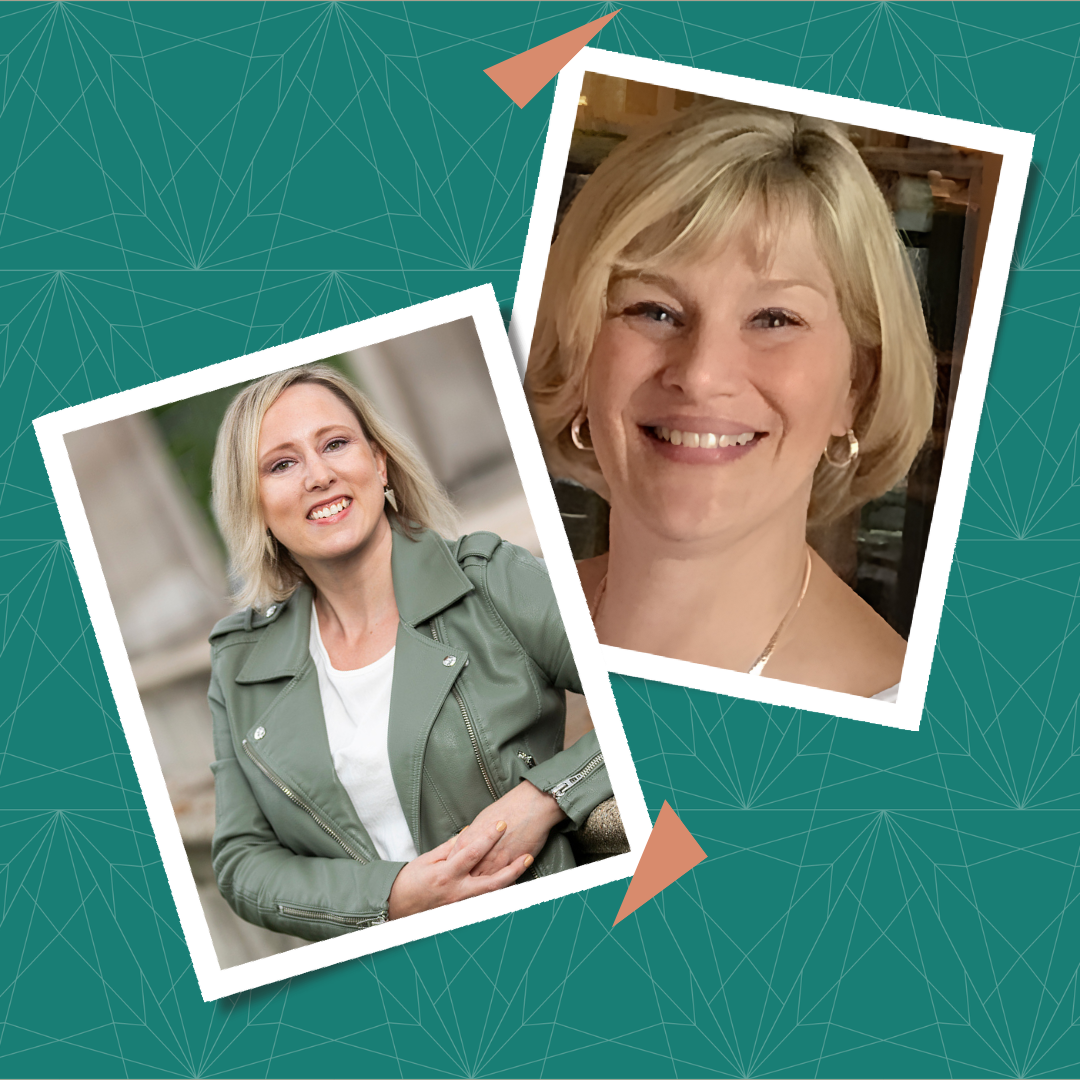
Co-Hosts:Nicole Wetzell (NEW Marketing Solutions) & Rachelle Roe (Arts, Etc PR)
How are arts organizations using AI for marketing in 2026? We co-hosted a candid conversation with arts leaders from Chicago, Vancouver, and Phoenix to answer exactly that — covering AI search optimization, Reddit's surprising rise, and practical tools real teams are using today. Take a look below for notes and related resources.
Explore upcoming NEW Marketing Solutions Roundtables and join us at the table.
Presentation on AI Search
Click here to download the presentation.
-
Rachelle noted that arts journalism is shrinking on both sides of the border, so the goal is finding angles that get picked up by writers who don't normally cover the arts at all.
The key is mining your organization for stories that have nothing to do with art on the surface — staff hobbies, artist side projects, unusual spaces, or local connections that a food writer, real estate writer, or sports reporter might bite on.
Examples shared included the Houston Symphony hosting Marshawn Lynch for his "In Your City" YouTube series, a Chicago alderman whose cinnamon roll bakery gets more press than his political career, and a pianist landing a fashion spread in GQ tied to his debut U.S. season.
Rachelle's own example: when "Baby Shark" took over Washington D.C. during the Nationals' World Series run, the National Symphony Orchestra's French horn section played an arrangement in shark costumes. The clip was picked up by Fox Sports and aired during Game 7.
-
Nicole introduced the concept of trend tethering: identifying long-term cultural shifts and intentionally anchoring your marketing and programming to them, rather than reacting to short-lived internet fads.
Trends develop for a few reasons — something shifts in people's lives or culture (like inflation driving "dupe culture"), or a brand identifies a cultural tension people feel but can't articulate yet, and positions itself as the answer.
The Mountain Dew case study was used as an example: the brand has repositioned itself multiple times since the 1950s by reading where culture was heading next, rather than where it had already been.
Fads are short, intense, novelty-driven bursts (think sourdough baking), while trends are gradual and longer-lasting. Often a fad is just the surface expression of a deeper trend — sourdough, for instance, taps into a broader trend of escapism and comfort-seeking during uncertain times.
Before jumping on any trend, ask: does this align with our mission and brand, or would it cheapen it? And does it actually match what our audience cares about?
-
Nicole shared a cadence for staying on top of trends without it becoming a full-time job: weekly (scroll Instagram/TikTok Discover for surface-level fads), monthly (check Reddit and local social groups, and cross-check anything emerging in Google Trends), and quarterly (dig into reports from Pew Research, McKinsey, Nielsen, and arts-specific sources like Americans for the Arts).
Answer the Public was recommended as a free tool for seeing what people are actually asking online.
Just as important as digital research: get out into your own community. Attend Chamber of Commerce and tourism bureau meetings, try new restaurants, and go to events outside your usual circle — local trends often show up well before they hit a national report.
-
Across the board, behind-the-scenes content was the clear winner. An opera company shared that a conductor (a "louder than life" character) was mic'd up during a rehearsal for an ASMR-style video that performed strongly, and a video showing how they secured an opera singer to a wall for a staging effect also did well.
A symphony had success with musicians showing their everyday lives — favorite restaurants, weekend routines — which also ties into Toronto's identity as a multicultural city and helps audiences see musicians as regular people.
Rachelle pointed out that "job nobody knows exists" content performs especially well — she's gotten significant press for orchestra music librarians simply because audiences have no idea that role exists or what it involves.
The general theme: audiences respond to things that feel less polished and more human. Several attendees noted that overly produced content can feel less authentic, especially compared to AI-generated content that audiences are increasingly wary of.
-
A small dance company shared that they filmed dancers in costume at iconic Chicago locations under the train tracks, the Baha'i Temple, a Puerto Rican neighborhood, North Avenue Beach with the skyline. The videos have generated huge engagement and strong ticket sales.
Rachelle suggested turning a successful social campaign like that into an actual press pitch and reaching out to outlets like the Chicago Sun-Times or WBEZ once you've already proven the content resonates.
Nicole mentioned Choose Chicago's "For the Love of Chicago" hashtag campaign as a way to plug into an existing local initiative and get additional visibility.
Nicole's own example: when the Chicago Bears were on a winning streak during the Sinfonietta's MLK concerts, they recorded the orchestra playing the Bears' walk-up song in jerseys, with someone grating cheese onto a trombone. The video got hundreds of thousands of views and a noticeable, immediate bump in ticket sales.
-
Someone asked how anyone works through getting content at a presenting organization because they are constantly rotating shows and artists, making it harder to build long-term story relationships.
Rachelle's advice: get to know your artists early. Ask in advance (often months out, during routing conversations) whether they'd be open to something different on social, and look at what they've already done with other presenters for inspiration.
A small orchestra shared that for an 8-bit video game music concert, they used trackable promo codes sent to gamer outlets and stores to measure where ticket sales actually came from.
-
Nicole shared that Minnesota Orchestra turned post-concert survey comments into a video of someone reading them aloud — a simple, low-cost way to repurpose existing feedback.
A small orchestra uses a tool called MemoryFox to send patrons a link after concerts inviting comments, which generates usable quotes for the website and future emails.
Nicole's tip for using AI: plug a batch of Google reviews into ChatGPT and ask it to identify recurring themes and phrases, then use that language (not direct quotes) to write more authentic-sounding marketing copy that mirrors how your actual audience talks.
One attendee offered a practical reminder on attribution: direct quotes need quotation marks with the original wording preserved exactly, even if you're only using part of a sentence. Paraphrased coverage ("the Dallas Morning News raved about...") doesn't need quotation marks, but should still be attributed.
-
Someone raised the cost of video as a major barrier, especially when audience members are hesitant to be filmed on the spot after a concert.
Rachelle suggested lining up willing subscribers or longtime patrons in advance for short interviews, so the content is more evergreen and not tied to a single performance.
Nicole noted that for low-budget situations, a phone, ring light, and tripod are fine. Audiences increasingly prefer a "homegrown" aesthetic over anything that looks too polished or AI-generated.
For higher-quality footage without a big budget, both Nicole and Rachelle recommended reaching out to local high school or college video/communications programs, which are often looking for real-world projects for students.
-
Several attendees landed on a similar theme: permission to stop overthinking and "just do it" — try something small, see what resonates, and keep adjusting from there.
Someone raised an important point about representation — that content featuring marginalized communities (she specifically mentioned Deaf artists and ASL) often gets scrolled past because audiences see it as "not for them." Leaning into universal, human stories can help build that bridge.
Another takeaway was about being more mindful of broader cultural context — connecting things like the comfort/escapism trend behind sourdough baking to how arts organizations can use humor and relatability to stay accessible.
-
From the Presentation
Mentioned Social Media Posts